The Strength of a Humble Leader: Leading Like Christ in a World Obsessed with Power
- Fred M Davis Jr
- Feb 23
- 4 min read

We live in a culture that celebrates visibility over virtue, influence over integrity, and titles over testimony. Leadership is often measured by how many people follow us, how loudly we speak, or how high we rise. Yet Scripture presents a radically different vision: leadership shaped by humility, obedience, and surrender to God. The world teaches leaders to climb higher; God teaches leaders to kneel lower.

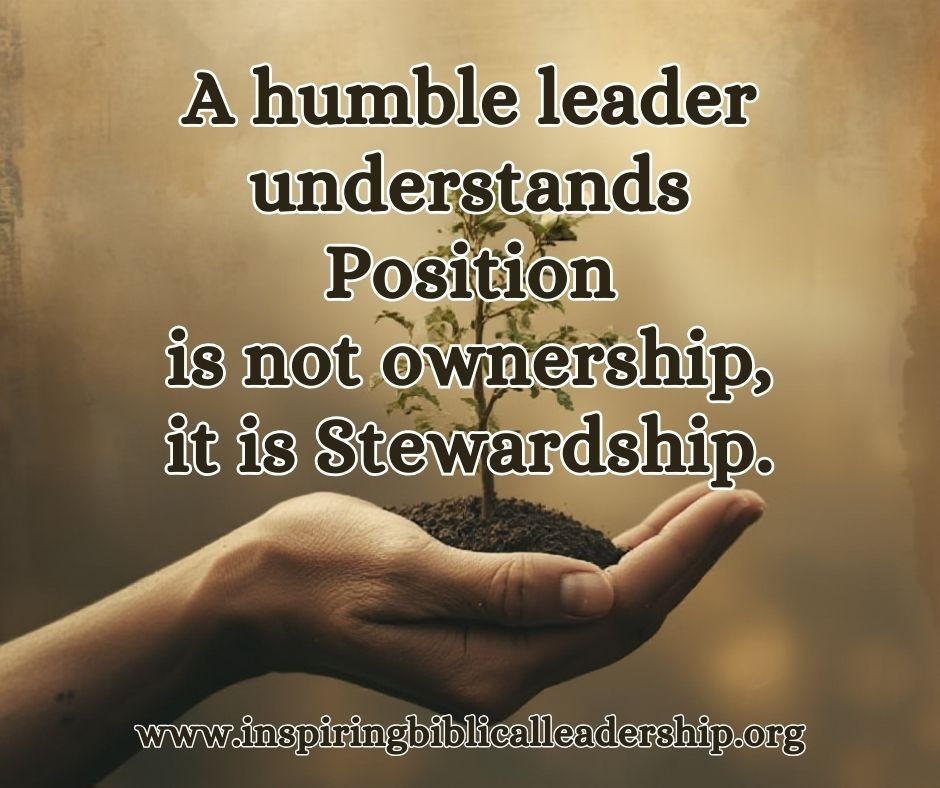
Humble leadership is not passive. It is powerful, intentional, and deeply spiritual. It is leadership that understands position is not ownership, it is stewardship. And the greatest leaders are not those who exalt themselves, but those who allow God to do the exalting. Jesus, who is the greatest leader who ever lives states that “For those who exalt themselves will be humbled, and those who humble themselves will be exalted.” (Matthew 23:12)
Humility Is Not Weakness, It Is Alignment
One of the greatest misunderstandings about humility is equating it with insecurity or lack of confidence. Biblical humility is neither. It is strength under control, confidence under submission, and authority under God.
Humility aligns a leader’s heart with God’s will. It recognizes that leadership is not self-generated, it is God-given. Every skill, every opportunity, and every open door is the result of grace, not self-sufficiency.
Humble leaders are not afraid to acknowledge dependence on God because they understand dependence is the source of true strength. Pride isolates leaders; humility anchors them. Humility keeps your leadership aligned with heaven when success tries to pull it toward self.
Jesus: The Ultimate Model of Humble Leadership
Jesus shattered every worldly expectation of leadership. Though He possessed all authority, He never used it to dominate, impress, or elevate Himself. The Bible reminds us that “The Son of Man did not come to be served, but to serve” (Mark 10:45). Jesus led by presence, sacrifice, and obedience. He touched lepers, welcomed children, washed feet, and endured the cross, all without compromising His authority.
The Bible tells us that “Though He was in very nature God… He made himself nothing.” (Philippians 2:6–7) Jesus’ humility was not situational; it was intentional. He consistently chose obedience over recognition and purpose over applause. Jesus proved that humility does not dilute authority, it reveals its true source.
Humble Leaders Create Stronger Teams and Deeper Trust
Leadership is relational before it is positional. People do not follow titles, they follow trust. Humble leaders cultivate environments where people feel valued, heard, and empowered. The Bible instructs us “In humility value others above yourselves” (Philippians 2:3).

When leaders listen without defensiveness, admit mistakes without excuses, and share credit generously, they unlock loyalty and unity. Humility gives people permission to grow, contribute, and lead alongside you. Pride demands control. Humility invites collaboration. The mark of a great leader is not how many people serve them, but how many people they help become strong.
God Gives Grace to the Humble
Scripture is unmistakably clear: humility positions leaders to receive God’s grace. “God opposes the proud but shows favor to the humble.” (1 Peter 5:5) Grace is not merely forgiveness, it is divine empowerment. Grace gives wisdom when decisions are heavy, strength when leadership feels lonely, and clarity when the path forward is uncertain. Pride blocks grace because it claims self-sufficiency. Humility opens the door because it invites God into every decision. Pride asks God to stand aside; humility invites Him to lead the way.
Practicing Humility as a Leader Today
Humility is not a one-time decision; it is a daily discipline. Leaders grow in humility by consistently choosing obedience over ego.

Practical ways to lead humbly:
Begin decisions with prayer, not pressure
Seek counsel even when you have authority
Admit mistakes quickly and publicly
Celebrate others without comparison
Serve where no recognition exists
Scripture reminds us that “He guides the humble in what is right and teaches them His way” (Psalm 25:9). Humility is cultivated in hidden moments long before it is displayed in public leadership. The quiet choices no one sees shape the leader everyone eventually follows.
Final Encouragement: Leading with Eternal Perspective
Humble leadership is not about thinking less of your calling, it is about thinking more about God’s purpose. When leaders walk humbly, they reflect Christ, strengthen others, and leave a legacy that extends beyond their lifetime.
One of my favorite verses in the Bible tells us exactly what God wants from a leader. Michah 6:8 tells us “What does the Lord require of you? To act justly, love mercy, and walk humbly with your God.” Leadership anchored in humility does not fade when seasons change, it endures because it is rooted in eternity. Humble leaders don’t chase recognition; they leave impact God alone can measure.

Reflection Questions
Where might pride be subtly influencing my leadership decisions?
Who has God placed around me to help keep me grounded?
What would change if I led this next season with deeper humility?
Next Step: Ask God today to reveal one area where humility will strengthen your leadership and obey what He shows you.


Amen! In Colossians it says; when you are saved why are you still doing things the worlds way?